Af hverju nota 65% lítilla trésmíðaverkstæða CNC-fræsara?
Lítil trésmíðaverkstæði hafa tekið upp CNC-fræsara hratt því þessar vélar stytta framleiðslutíma verulega, útrýma handvirkum villum og gera kleift að framkvæma flóknar hönnunir sem áður voru ómögulegar með hefðbundnum verkfærum. CNC-tækni hefur breyst úr lúxusfjárfestingu í nauðsynlegan samkeppnisforskot fyrir nútímaverkstæði.
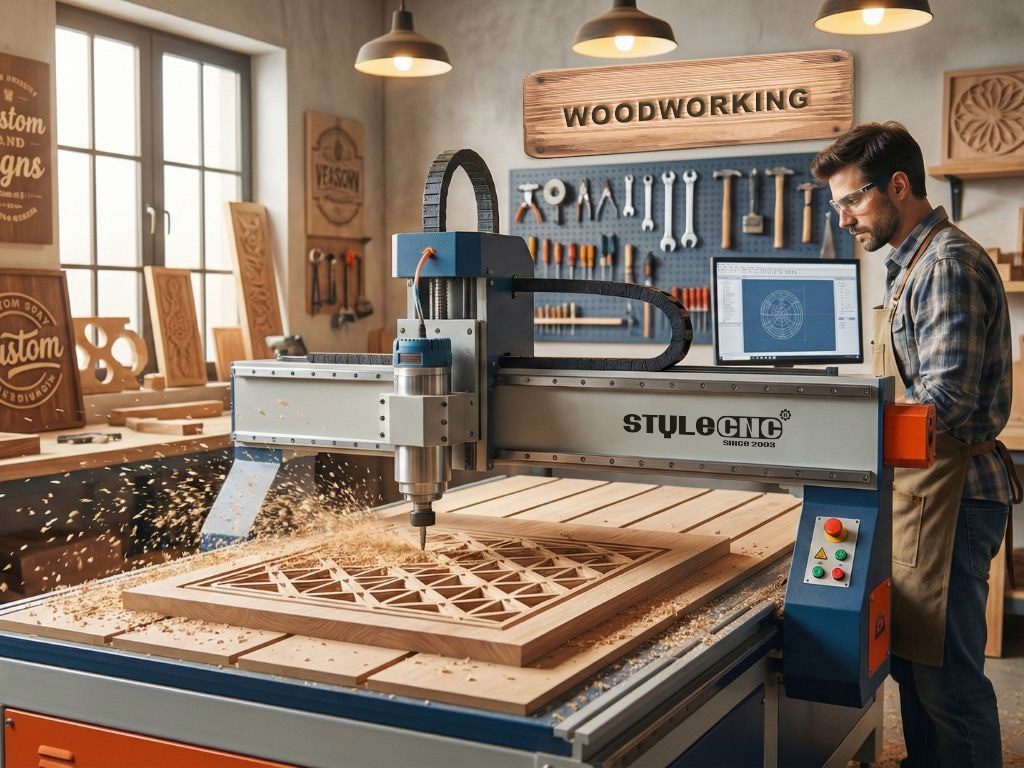
Sjálfvirknibyltingin í smáviðarvinnslu
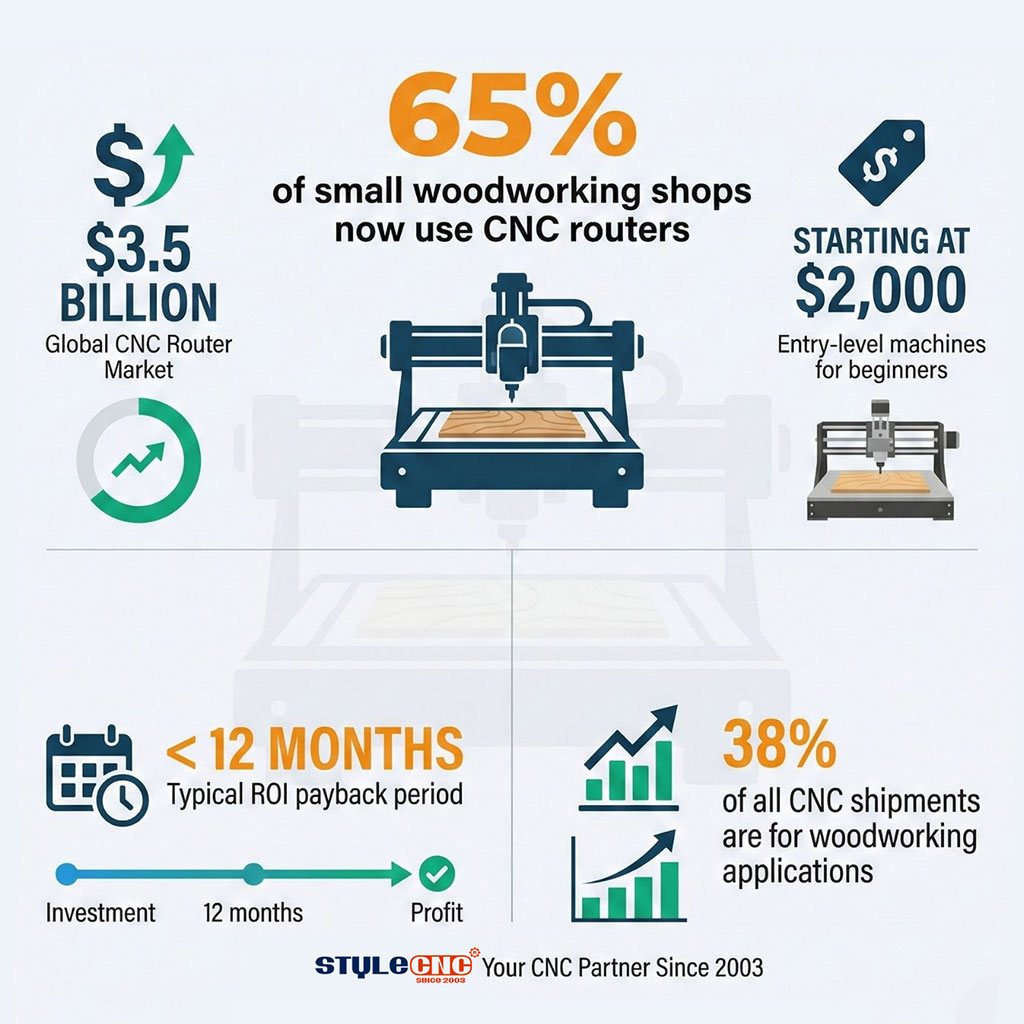
Trévinnsluiðnaðurinn er að ganga í gegnum grundvallarbreytingar. Markaðsgreiningar sýna að um það bil 65% lítilla trévinnsluverkstæða nota CNC-fræsara, sem markar mikla breytingu frá handvirkum ferlum yfir í tölvustýrða nákvæmnisframleiðslu.
Alþjóðlegur markaður fyrir CNC-fræsara, metinn á $35 milljarðar, heldur áfram að vaxa jafnt og þétt. Trévinnsluforrit eru 38% af öllum sendingum af CNC-fræsum um allan heim, með yfir 2,500 fræsum sérstaklega notaðar fyrir tré- og skiltaforrit í Norður-Ameríku einni saman.
3 þættir sem knýja áfram ættleiðingu
Lækkandi kostnaður við búnað: Vélar fyrir byrjendur byrja nú kl. $2.000-6,000 dollarar
Notendavænn hugbúnaður: Nútímaleg CAD/CAM forrit eru með innsæisviðmótum
Eftirspurn eftir sérsniðnum vörum: Neytendur kjósa í auknum mæli persónulegar, nákvæmar handgerðar vörur
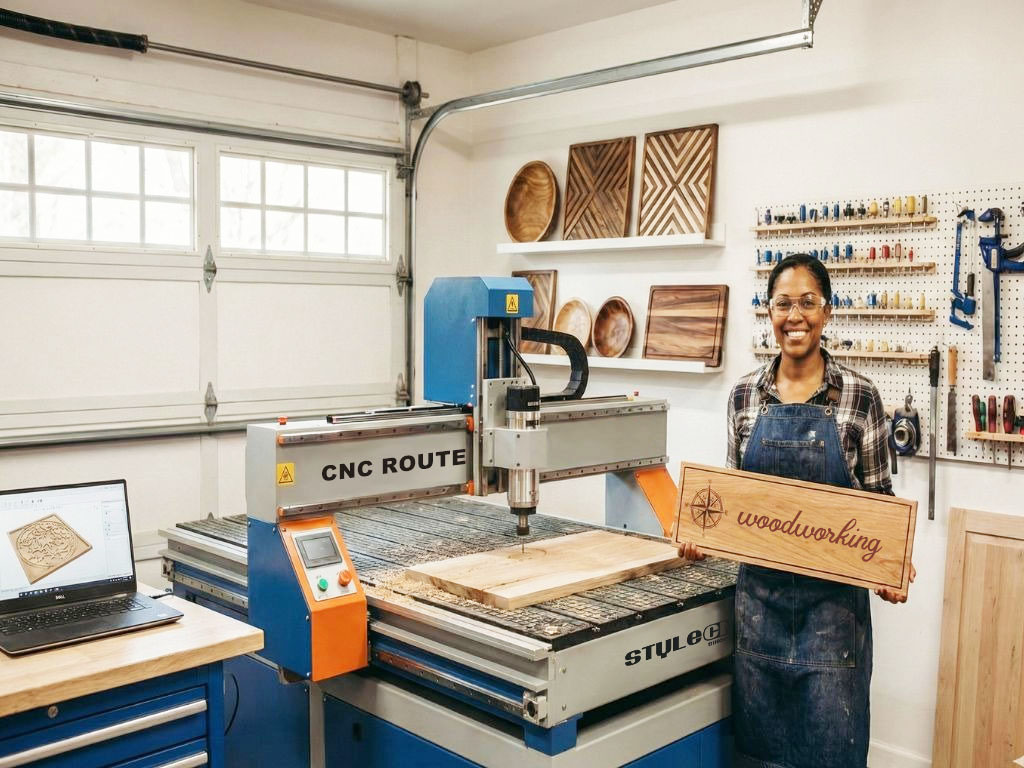
Af hverju eru litlar verslanir að fjárfesta í CNC tækni
Nákvæmni sem handvirkar aðferðir geta ekki keppt við
Nútímaneytendur búast við nákvæmni og persónugervingu. Hefðbundin handskurður getur ekki viðhaldið þessu undir-núll.1mm endurtekningarnákvæmni sem CNC vélar skila stöðugt yfir hundruð eða þúsundir eins hluta.
Þegar viðskiptavinir panta sérsmíðaða skápa með flóknum innréttingum eða húsgögn með flóknum rúmfræðilegum mynstrum, CNC viðarleið framkvæma þessar hönnunir með fullkominni nákvæmni í hvert skipti.
Efnahagslegir kostir
Meðalstór 4x8 feta CNC-fræsari kostar á bilinu $45,000 og $80,000. Hins vegar greina verkstæði ítrekað frá því að einn starfsmaður geti lokið verki sem myndi krefjast 3 eða 4 manns að vinna með hefðbundnum búnaði.
Fyrir framleiðslu á skápum dregur innfelld framleiðsla verulega úr efniskostnaði og styttir framleiðslutíma verulega. Þessi samanlagði sparnaður skilar hraðri ávöxtun fjárfestingarinnar.
Ónýttur byrjendamarkaður
Þó að 65% af rótgrónum litlum trésmíðaverkstæðum hafi tekið upp CNC-tækni, þá er byrjenda- og áhugamannamarkaðurinn enn mjög vanþjónaður. Þetta skapar gríðarlegt tækifæri.
Aðgangshindranir eru að hverfa
| Verðbil | Vélategund | best Fyrir | Vinnusvæði |
|---|---|---|---|
| $ 2,000-$ 6,000 | Skjáborð/Áhugamál | Byrjendur, lítil verkefni | 12"×12" til 24"×24" |
| $ 6,000-$ 15,000 | Fagmaður á byrjendastigi | Hlutastarfsfyrirtæki | 24"×48" til 48"×48" |
| $ 15,000-$ 35,000 | Miðlungsstór fagmaður | Fullt starf í rekstri | 48"×96" (4'×8') |
| $ 50,000 + | Iðnaðar | Framleiðsla í miklu magni | 60" × 120" og stærra |
Modern áhugamál CNC leiðarar Geta meðhöndlað efni frá mjúkum við og plasti til harðari tegunda og jafnvel léttmálma. Þau taka lágmarks gólfpláss og passa oft á vinnubekk, sem gerir þau hentug fyrir heimaverkstæði.
Námsferillinn er viðráðanlegur
Væntanlegir notendur ofmeta oft erfiðleika við notkun CNC-véla. Ferlið skiptist í fjögur viðráðanleg stig:
1. Hönnunarfasi: Búa til eða flytja inn 2D/3D hönnun með CAD hugbúnaði.
2. Verkfæraslóðagerð: CAM hugbúnaður breytir hönnun í vélleiðbeiningar.
3. Rekstur vélar: Setjið efni upp, hlaðið forritum, stillið núllpunkta.
4. Frágangur: Slípið, setjið saman og húðið (kunnugleg skref í trésmíði).
Reyndir notendur segjast stöðugt ná grunnfærni með reglulegri æfingu. Ítarlegri aðferðir eins og 4-ása CNC leiðsun krefjast meiri sérþekkingar, en byrjendur geta framleitt arðbær verkefni áður en þeir ná tökum á háþróaðri færni.
Arðbær forrit fyrir byrjendur
Aðgengilegustu markaðirnir
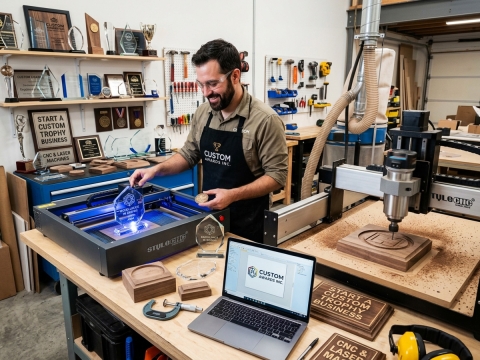
Sérsniðin merki: Efniskostnaður helst lágur en möguleiki á álagningu helst mikill. Fyrirtæki, heimili og viðburðir þurfa stöðugt á persónulegum tréskiltum að halda.
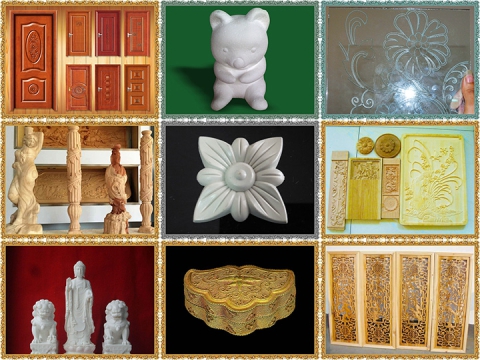
Húsgögn íhlutir: Lítil CNC verkstæði framleiða fætur, spjöld, skreytingar og tengihluti fyrir hefðbundna trésmiði sem skortir CNC búnað.
Skápaframleiðsla:Framleiðslukerfi fyrir húsgögn getur klárað heilar skápapantanir með lágmarks handvirkri íhlutun.
Arðbær tækifæri í sessi
• Framleiðsla verðlauna og bikara: Stöðug tekjustraumur með lágmarks samkeppni.
• Arkitektúrsmíði: Sérsmíðaðar listagerðir og skreytingarplötur eru á háu verði.
• Frumgerð vöru: Hraður afgreiðslutími fyrir uppfinningamenn og smærri framleiðendur.
Tækniframfarir sem gagnast byrjendum
Sjálfvirkir verkfæraskipti (ATC)
Handvirk verkfæraskipti taka mikinn framleiðslutíma og krefjast stöðugs eftirlits rekstraraðila. Þetta takmarkar vélar við einfaldari verkefni sem nota eitt eða tvö verkfæri.
ATC CNC beinar Ljúka verkfæraskipti samstundis, sem gerir flóknum verkefnum sem krefjast 8-12 mismunandi verkfæra kleift að keyra samfellt án eftirlits. Verkstæði greina frá verulegri framleiðniaukningu eftir uppfærslu í ATC-kerfi.
Hugbúnaðarbætur
Nútíma CNC hugbúnaður býður upp á fyrirfram stilltar verkfærasöfn fyrir algengar aðgerðir. Byrjendur geta valið úr viðurkenndum skurðaraðferðum og nýtt sér þekkingu hugbúnaðarins.
Hönnunarbókasöfn í skýinu bjóða upp á þúsundir tilbúinra verkefna. Nýir notendur geta byrjað að framleiða söluhæfar vörur strax og smám saman lært að búa til frumlegar hönnun.
Sundurliðun fjárfestingar og arðsemi fjárfestingar
Heildarkostnaður við upphaf
| Fjárfestingarflokkur | Kostnaðarsvið | Skýringar |
|---|---|---|
| CNC leið vél | $ 2,000-$ 35,000 | Fer eftir stærð og getu |
| CAD/CAM hugbúnaður | $ 500-$ 3,000 | Ævilang leyfi eða áskriftir |
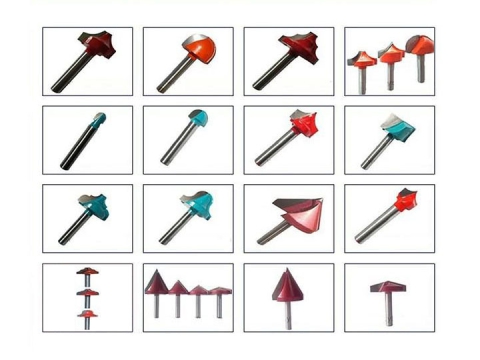
| Fræsingarbitar og verkfæri | $ 500-$ 1,500 | Upphafleg söfnun |
| Rykasafn og innréttingar | $ 1,000-$ 5,000 | Lofttæmiskerfi, vinnuklemmur |
| Heildar stofnfjárfesting | $ 4,000-$ 44,500 | Mismunandi eftir stærð fyrirtækisins |
Tekjumöguleikar
Verkstæði sem einbeita sér að sérsmíði með háum hagnaði endurheimta oft fjárfestingar hraðar en þær sem stunda fjöldaframleiðslu. Eitt skrautverkefni gæti skilað $500-$2,000 í hagnað.
Verslanir með fjölbreyttan möguleika, sem sameina CNC tréfræsun með hefðbundinni smíði og frágangi, byggja yfirleitt upp sjálfbærari fyrirtæki. Vélin verður eitt verkfæri í alhliða framleiðslukerfi.
Að stækka út fyrir viðinn
Margar CNC-fræsarar fyrir viðarvinnslu vinna með góðum árangri úr plasti, samsettum efnum og froðuefni með lágmarks aðlögun. Þessi fjölhæfni gerir verkstæðum kleift að þjóna mörgum mörkuðum.
CNC vélar úr málmi eru annar flokkur sem krefst meiri fjárfestinga. Sumir rekstraraðilar hafa tekist að stækka út í léttmálmsmíði (ál, messing) eftir því sem færni þeirra eykst.
Steinskurðarvélar sérhæfa sig í öðru sviði. Sumar trésmíðaverslanir stækka framleiðsluna og selja minningarskjöldur og byggingarstein.
Stefnumótandi árangursþættir
Markaðsrannsóknir fyrst
Áður en þú fjárfestir í búnaði skaltu rannsaka rækilega staðbundna og netmarkaði. Finndu tiltekna vanþjónaða sess frekar en að reyna að keppa á breiðum vettvangi.
Verslun sem sérhæfir sig eingöngu í sérsniðnum minningarvörum fyrir gæludýr stendur frammi fyrir mun minni samkeppni en sú sem býður upp á almenn tréskilti.
Greinið markhópinn ykkar vandlega. Hvaða verðlag virkar á ykkar svæði? Hvaða tegundir sérsmíðaðra vinnu forðast samkeppnisaðilar á staðnum? Hvar afla viðskiptavinir sérsmíðaðs tréverks nú til dags?
Netmarkaðir eins og Etsy veita verðmætar markaðsupplýsingar. Leitaðu að vörum sem eru svipaðar því sem þú ætlar að framleiða. Skoðaðu verðlagningu, umsagnir viðskiptavina og velgengni seljenda. Þessi rannsókn leiðir í ljós eftirspurn á markaði áður en þú fjárfestir fjármagn.
Fjárfesting í menntun
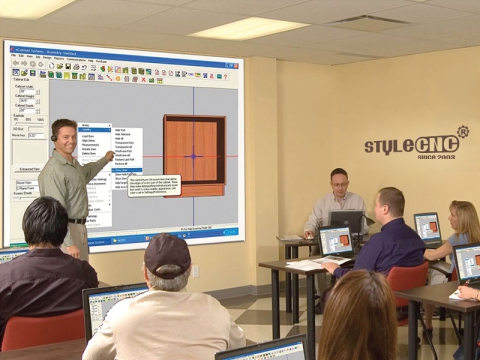
Netnámskeið, háskólanámskeið og þjálfunarfundir fyrir framleiðendur leggja grunn að því að flýta fyrir upphaflegri framleiðni og hjálpa til við að forðast dýr mistök á fyrstu stigum.
Margir framleiðendur bjóða upp á ítarlega þjálfun með kaupum á búnaði. Nýttu þér þessi námskeið. Þeir fáu dagar sem fjárfestir eru í viðeigandi þjálfun koma oft í veg fyrir vikur af pirrandi bilanaleit.
YouTube-rásir og netspjallborð bjóða upp á símenntun. CNC-samfélagið deilir virkt aðferðum, lausnum og hugmyndum að verkefnum. Nýttu þér þessar auðlindir reglulega.
Íhugaðu að byrja með ókeypis CAD hugbúnaði til að æfa hönnunarfærni áður en þú kaupir búnað. Þessi aðferð skýrir hvort þú hafir gaman af hönnunarferlinu og hjálpar til við að bera kennsl á hvaða vélgetu þú þarft í raun og veru.
Aðferð við stigvaxandi vöxt
Áreiðanlegasta leiðin felst í því að byrja með hóflegan búnað, þróa færni og viðskiptavinahóp og uppfæra síðan eftir því sem tekjur réttlæta fjárfestingu. Þessi aðferð lágmarkar fjárhagslega áhættu.
Margir farsælir rekstraraðilar byrjuðu með borðtölvum undir $5.000, staðfestu viðskiptahugmyndir sínar og uppfærðu síðan í fagmannlegan búnað þegar tekjustraumar reyndust sjálfbærir.
Byrjaðu í hlutastarfi og viðhaldðu öðrum tekjum. Þetta dregur úr þrýstingi til að afla strax hagnaðar og gerir kleift að einbeita sér að hæfniþróun og gæðavinnu sem byggir upp orðspor.
Skráðu allt eftir því sem þú lærir. Hvaða verkefni reyndust arðbærust? Hvaða viðskiptavinir veittu endurtekna viðskipti? Hvaða færni krafðist lengstu þróunar? Þessi gögn leiðbeina ákvörðunum um stækkun og uppfærslur á búnaði.
Markaðsöflin knýja vöxt
Sérsniðin hagkerfi
Neytendahegðun hefur breyst grundvallaratriðum. Kaupendur nútímans hafna í auknum mæli fjöldaframleiddum, eins vörum og kjósa frekar persónulegar vörur sem endurspegla einstaklingsbundna stíl og óskir.
Þessi þróun skapar kjörin skilyrði fyrir litlar CNC-vinnslur. Stórir framleiðendur skara fram úr í að framleiða milljónir eins eininga en eiga í erfiðleikum með hagkvæma sérsniðna framleiðslu. Lítil verkstæði með CNC-búnað fylla þetta skarð fullkomlega.
Markaðurinn fyrir sérsmíðaðar húsgögn er dæmi um þessa breytingu. Kaupendur búast nú við valmöguleikum varðandi stærðir, efni, frágang og hönnunarupplýsingar. CNC-tækni gerir slíka sérsniðna framleiðslu hagkvæma, jafnvel fyrir framleiðslu á einni einingu.
Að takast á við skort á hæfu vinnuafli
Trésmíðaiðnaðurinn stendur frammi fyrir mikilli áskorun þar sem reyndir handverksmenn fara á eftirlaun. Hefðbundnar námsleiðir sem sköpuðu hæfa trésmiði eru að mestu horfnar.
CNC-tækni býður upp á lausn. Flókin smíðavinna, nákvæm víddarvinna og flókin útskurður krefst ekki lengur áratuga handverkfærakunnáttu. Hugbúnaður skráir þessa sérþekkingu og gerir hana aðgengilega fyrir notendur með tæknilega færni frekar en hefðbundinn bakgrunn í trésmíði.
Háskólar og iðnskólar gera sér grein fyrir þessari breytingu. CNC forritun birtist í auknum mæli í námsskrám í trésmíði og skapar nýja kynslóð starfsmanna sem eru vanir bæði stafrænni hönnun og efnisframleiðslu.
Umhverfissjónarmið
Sjálfbærni knýr kaupákvarðanir margra neytenda og fyrirtækja áfram. CNC-skurður styður umhverfismarkmið með framúrskarandi efnisnýtingu.
Bjartsýnileg hreiðurreiknirit raða hlutum á plötur með lágmarksúrgangi. Sumar verslanir greina frá 20% minnkun úrgangs.30% samanborið við hefðbundnar skurðaraðferðir. Þessi skilvirkni þýðir beint bæði umhverfislegan ávinning og kostnaðarsparnað.
Framsýnar verkstæði markaðssetja CNC-getu sína sem umhverfislegan kost og höfða til umhverfisvænna viðskiptavina sem eru tilbúnir að greiða aukalega fyrir sjálfbærar vörur.
Algengar spurningar
Er CNC-fræsari þess virði fyrir lítið trésmíðaverkstæði?
Já, fyrir flestar litlar verslanir. CNC-fræsarar skila hraðari arðsemi fjárfestingar með aukinni framleiðni, minni úrgangi og getu til að taka að sér flókin sérsniðin verkefni. Verkstæði greina frá því að einn starfsmaður með CNC-fræsara geti klárað verk sem þyrfti 3 eða 4 manns með hefðbundnum aðferðum. Hins vegar er árangur háður stöðugri vinnu sem réttlætir fjárfestinguna.
Hvað kostar góð CNC-fræsari fyrir byrjendur?
Kostnaður við CNC leiðara fyrir byrjendur $2.000-6,000 dollarar fyrir borðtölvur sem henta til náms og lítilla verkefna. Fyrir alvarlegt hlutastarf, fjárhagsáætlun $6.000-$15,000. Fagleg rekstur í fullu starfi krefst venjulega $1Vélar á bilinu 5,000 til 35,000 Bandaríkjadala með vinnusvæðum frá 4' × 8'. Heildaruppsetningarkostnaður, þar með talið hugbúnaður, verkfæri og fylgihlutir, er á bilinu frá $4.000-45,000 dollarar eftir stærð fyrirtækisins.
Ætti ég að smíða minn eigin CNC-fræsara eða kaupa einn?
Kauptu eina fyrir fyrstu vélina þína. Að smíða CNC-fræsara krefst vélrænnar færni, þekkingar á rafeindatækni og mikillar tímafjárfestingar. Flestir byrjendur njóta góðs af því að kaupa tilbúna vél með stuðningi og ábyrgð frá framleiðanda. Íhugaðu aðeins að smíða ef þú hefur mikla reynslu og lítur á smíðaferlið sem námsmarkmið sjálft, ekki bara kostnaðarsparnað.
Hvaða hugbúnað þarf ég fyrir CNC fræsingu?
Þú þarft tvær gerðir: CAD fyrir hönnun og CAM fyrir verkfæraslóðagerð. Vinsælir valkostir fyrir byrjendur eru meðal annars VCarve Pro, Easel Pro og Fusion 360. Margar byrjendavélar innihalda grunn hugbúnaðarpakka. $500-$3,000 fyrir hugbúnað, þó eru til nokkrir ókeypis valkostir fyrir áhugamenn.
Getur CNC-fræsari skorið ál eða aðeins tré?
Margar CNC-fræsarar geta skorið ál með réttri uppsetningu. Leitaðu að vélum með stífum ramma, spindlum sem eru metnir fyrir 18,000+ snúninga á mínútu og fullnægjandi kælikerfum. Fræsarar sem eru fínstilltir fyrir við geta yfirleitt meðhöndlað mjúka málma eins og ál, messing og kopar með hægari fóðrun og léttari skurði. Sérstakar málmvélar eru nauðsynlegar fyrir stál og harðari efni.
Hversu langan tíma tekur það að læra að nota CNC leiðara?
Grunnhæfni krefst venjulega samfelldrar æfingar í nokkrar vikur. Flestir byrjendur geta lokið fyrstu einföldu verkefnum sínum innan nokkurra daga frá uppsetningu. Námsferillinn hefur fjögur stig: grunnatriði hönnunar, gerð verkfæraslóða, notkun vélarinnar og hagræðingu. Sjálf notkun vélarinnar er einföld; færni í hönnun og verkfæraslóðum þróast með tímanum með æfingu.
Hver er besta stærð CNC-fræsara fyrir lítið fyrirtæki?
Vinnusvæði að stærð 4'×8' (48"×96") er staðallinn fyrir lítil fyrirtæki. Þessi stærð rúmar heilar krossviðarplötur og flesta skápahluti. Hins vegar geta verkstæði með takmarkað pláss náð árangri með 2'×4' eða 3'×3' vélum með því að einbeita sér að minni verkefnum eins og skilti, skiltum og íhlutum frekar en heilum skápaplötum.
Hvernig græða ég peninga með CNC leiðara?
Einbeittu þér að sérsniðnum vinnum með háum hagnaði og komdu þér upp sérhæfingum í sérhæfðum markaðssvæðum. Arðbærar leiðir eru meðal annars sérsniðin skilti ($50-$500 á verkefni), húsgagnaíhlutir fyrir aðra trésmiði, byggingarlistarvinna, framleiðsla verðlaunagripa og frumgerðasmíði vara. Sameinið CNC-getu við hefðbundna trésmíðaþjónustu til að fá sjálfbærari tekjur. Margir rekstraraðilar nýta sér netmarkaði eins og Etsy til að ná til viðskiptavina utan síns heimasvæðis.
Tækifæri fyrir byrjendur
Samleitni aðgengilegrar tækni, vaxandi eftirspurn á markaði og breyttar óskir neytenda skapar nýliðum raunverulegt tækifæri til að koma á fót arðbærum CNC trésmíði.
Byrjendur njóta góðs af þroskuðum búnaðarmörkuðum sem bjóða upp á fjölbreytt úrval á ýmsum verðpunktum, rótgrónum framboðskeðjum fyrir verkfæri og efni, ríkulegum fræðsluúrræðum og blómlegum netsamfélögum sem veita stuðning.
At STYLECNCVið skiljum þær áskoranir sem byrjendur standa frammi fyrir þegar þeir hefja störf í CNC trévinnslu. Með yfir tveggja áratuga reynslu af framleiðslu í þjónustu við viðskiptavini í yfir 180 löndum bjóðum við upp á heildarlausnir sem eru sniðnar að öllum færnistigum. Frá byrjendastigi áhugamálavélar fullkomið til að læra handverkið fyrir fagfólk iðnaðarleiðir Búnaðarlína okkar er hönnuð fyrir framleiðslu í miklu magni og styður vaxtarferð þína frá fyrsta verkefni til blómlegs fyrirtækis.